
Are bioidentical compounds genuinely different from conventional treatments, or is the ongoing debate over bioidentical vs synthetic hormones simply wellness marketing? If you’re struggling with persistent brain fog, chronic fatigue, and conflicting medical opinions, your skepticism is completely justified. For decades, lingering fear of side effects has left patients stuck between living with disruptive symptoms and worrying about the safety of traditional hormone replacement therapy.
The distinction isn’t marketing; it’s rooted in cellular biochemistry. In this clinical comparison, you’ll discover the precise molecular and physiological differences between bioidentical and synthetic hormones, cutting through the noise so you can make an informed, confident choice for your health. We’ll explore how these compounds interact with your body’s cellular receptors, examine recent shifts in clinical safety data, and outline modern pathways to lasting hormonal balance.
Key Takeaways
- Learn the molecular differences in bioidentical vs synthetic hormones and how an exact structural match changes the way your cellular receptors respond.
- Uncover the science of synthesis, tracing how natural plant sterols are converted into human-identical molecules in certified laboratories.
- See why delivery method matters just as much as the molecule, particularly how bypassing first-pass liver metabolism supports cardiovascular safety.
- Explore the clinical advantages of bioidentical pellet therapy for maintaining steady physiological levels without daily hormonal spikes.
- Discover how individualized diagnostic testing and targeted clinical protocols ensure lasting relief from fatigue, brain fog, and hormonal imbalance.
Understanding Hormone Molecular Structure: Bioidentical vs. Synthetic
To evaluate the debate surrounding bioidentical vs synthetic hormones, one must look closely at cellular biochemistry. The human body functions through an intricate communication network governed by hormones acting as chemical messengers. These messengers circulate through the bloodstream, seeking out specific cellular receptors designed to receive them.
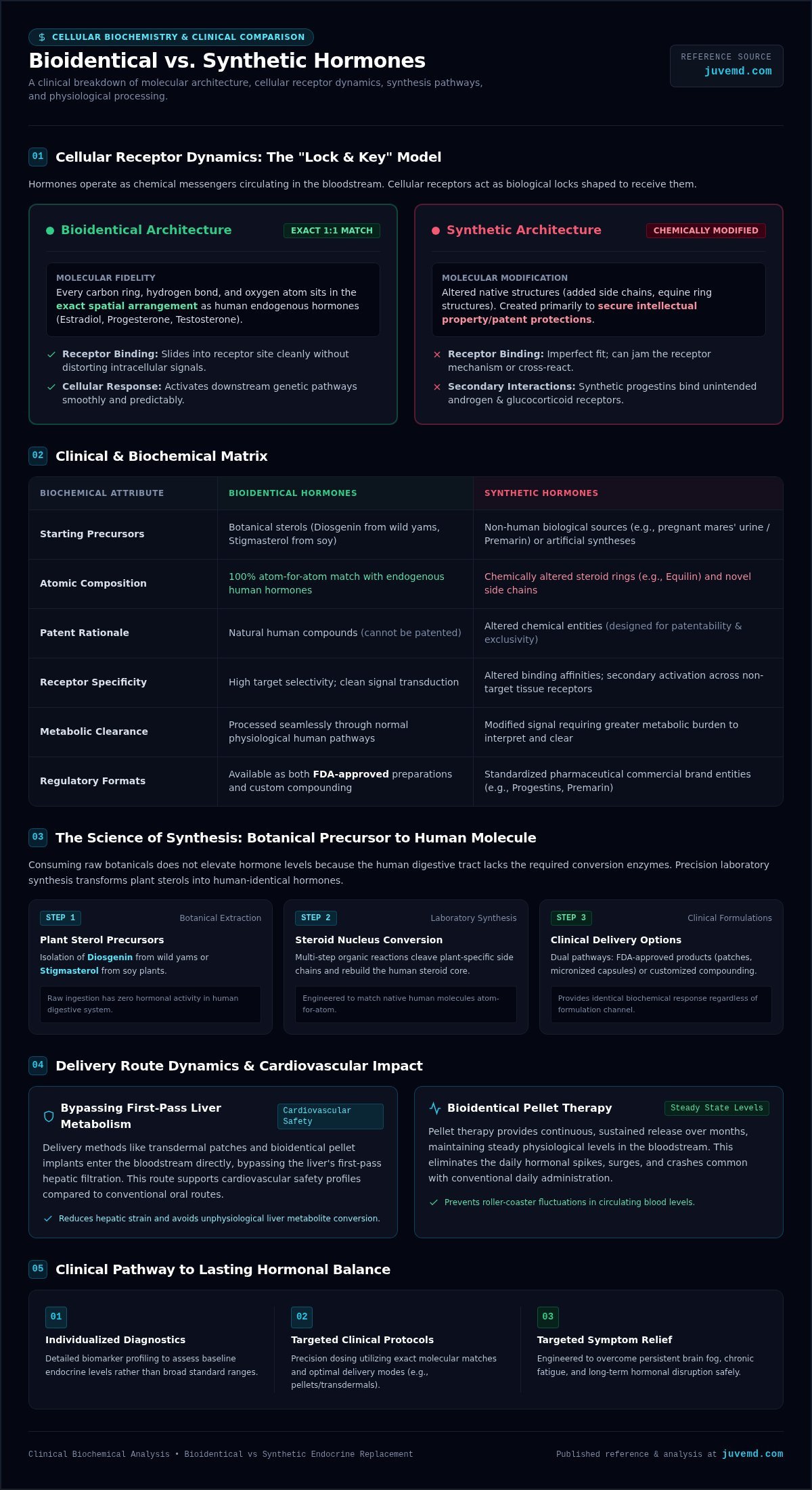
A helpful way to conceptualize this interaction is the classic “lock and key” model. Cellular receptors are biological locks, shaped precisely to fit the exact contours of human hormones. When the correct key slides into place, it activates downstream genetic pathways smoothly and predictably. If a key fits imperfectly, it might still turn the lock, but it can jam the mechanism or trigger unexpected secondary reactions across tissues.
What Does “Bioidentical” Actually Mean?
Bioidentical hormones possess a molecular architecture identical to the endogenous hormones naturally synthesized by human endocrine glands. Whether examining estradiol, progesterone, or testosterone, every carbon ring, hydrogen bond, and oxygen atom sits in the exact spatial arrangement as the body’s self-made chemical messengers. While typically synthesized from botanical precursors like wild yams and soy, their final laboratory-engineered structure matches human biology down to the single atom. As detailed in the clinical history of bioidentical hormone replacement therapy, this structural fidelity allows them to bind receptor sites cleanly without distorting intracellular signals.
The Origins of Synthetic Hormones
Synthetic hormones tell a very different biochemical story. Mid-twentieth-century therapies relied on compounds like conjugated equine estrogens (Premarin, derived from pregnant mares’ urine) and synthetic progestins like medroxyprogesterone acetate. These formulations were never designed to replicate human biology atom for atom.
Pharmaceutical developers altered native molecular structures primarily to secure intellectual property protections. Natural human compounds cannot be patented; novel chemical entities can. Therefore, synthetic does not mean “fake.” Rather, it means chemically modified:
- Progestins vs. Progesterone: Synthetic progestins add side chains that increase potency but also alter how the molecule binds to androgen and glucocorticoid receptors.
- Equine Estrogens: Premarin contains multiple ringed horse estrogens, such as equilin, that the human body never naturally produces or processes.
These molecular variations explain why the physiological impact of bioidentical vs synthetic hormones differs fundamentally at the receptor level. One provides an exact fit, while the other introduces a modified signal that the body must work harder to interpret and clear.
The Science of Synthesis: How Hormones are Manufactured
A persistent myth surrounding bioidentical vs synthetic hormones suggests that one originates directly in nature while the other is strictly artificial. In clinical reality, virtually all modern hormone replacement therapies undergo laboratory manufacturing. The genuine distinction lies in the starting materials and the final chemical blueprint.
Plant-Derived Sources: Yams and Soy
Bioidentical hormones typically originate from botanical precursors, specifically diosgenin extracted from wild yams or stigmasterol derived from soy. Consuming raw yams or over-the-counter supplements won’t elevate your hormone levels; the human digestive tract simply lacks the enzymes necessary to convert plant sterols into active endocrine compounds.
That vital conversion occurs through precise laboratory synthesis. Organic chemists execute a multi-step reaction that cleaves plant-specific side chains, rebuilding the steroid nucleus until it matches human endogenous molecules atom for atom. While consumer marketing often overuses the word “natural,” the true value of these preparations comes from scientific precision rather than unprocessed botany.
Compounding vs. FDA-Approved Bioidenticals
Once synthesized, these molecules diverge into two regulatory categories. Contrary to popular belief, many bioidentical products are commercially manufactured and FDA-approved, including standard transdermal estradiol patches and micronized oral progesterone capsules. As reviewed in clinical research on Bioidentical Hormone Therapy, distinguishing between standardized commercial preparations and compounded formulations helps patients navigate safety and dosing expectations.
Compounding pharmacies play an indispensable role when patients require tailored strengths, allergen-free bases, or specialized delivery formats not offered by conventional pharmaceutical lines. In 2026, evolving medical standards emphasize rigorous testing for potency and sterility in compounded preparations. When commercial dosages fail to resolve persistent fatigue or brain fog, seeking personalized pellet hormone therapy through a dedicated specialist ensures you receive pharmaceutical-grade, customized support designed around your unique biological markers.
Clinical Efficacy: How Your Body Processes Different Hormones
The practical divide between bioidentical vs synthetic hormones becomes evident once these molecules enter your circulation. How a hormone interacts with cellular targets and how your liver breaks it down dictate both symptom relief and the likelihood of adverse side effects.
Receptor Binding and Molecular “Keys”
Receptor affinity describes how cleanly and firmly a hormone attaches to its designated binding site. Endogenous-matched hormones dock effortlessly, deliver their cellular message, and detach when the job is done. Synthetic alterations disrupt this clean handoff.
Because synthetic molecules carry modified chemical branches, they frequently bind to unintended receptor families. Medroxyprogesterone acetate, for example, can stimulate glucocorticoid and androgen receptors alongside progesterone sites. This biological “cross-talk” often triggers classic complaints like adult acne, sudden mood shifts, and persistent fluid retention. Institutional perspectives like Harvard Health on bioidentical hormones frequently discuss how clinical trials weigh these receptor dynamics against commercial outcomes. For individuals seeking steady symptom control, tailored clinical strategies like bioidentical hormone replacement therapy las vegas focus on avoiding off-target stimulation entirely.
Side Effect Profiles and Metabolic Pathways
Metabolism represents the second major clinical differentiator. When you ingest oral synthetic hormones, they travel straight through the digestive tract into the hepatic portal system. This process, known as the first-pass effect, forces the liver to process concentrated doses before the hormone ever reaches systemic circulation.
Oral synthetics stimulate hepatic production of inflammatory markers, clotting factors, and sex hormone-binding globulin (SHBG). Elevated SHBG inadvertently binds your circulating active testosterone and estradiol, blunting the therapy’s intended benefits. In contrast, bioidentical progesterone breaks down into beneficial neurosteroids like allopregnanolone, which promotes deep sleep and calms the central nervous system. Synthetic progestins cannot convert into allopregnanolone; they often produce depressive symptoms or agitation instead.
Evaluating bioidentical vs synthetic hormones through this metabolic lens clarifies why side effect profiles diverge so dramatically:
- Synthetic Regimens: Higher incidence of breast tenderness, breakthrough bleeding, blunted mood, and elevated hepatic clotting factors.
- Bioidentical Regimens: Calmer neurological feedback, predictable elimination pathways, and a more uniform physical response across tissues.
Beyond the Molecule: Why Delivery Methods Change the Outcome
When comparing bioidentical vs synthetic hormones, the chemical blueprint is only half the equation. How that molecule enters your system dictates whether you experience erratic symptom spikes or sustained biological balance. Many mainstream clinical discussions focus exclusively on molecular composition while completely overlooking the profound physiological impact of administration routes.
The Downside of Synthetic Oral Delivery
Daily oral tablets present severe pharmacokinetic hurdles. When swallowed, a synthetic hormone tablet creates an immediate chemical surge in your bloodstream, followed by a sharp drop several hours later. This metabolic rollercoaster often triggers midday fatigue, migraines, and unpredictable mood shifts before the next scheduled dose.
Swallowed hormones must also pass through the hepatic portal vein. As the liver processes this sudden concentration of oral synthetic estrogen, it accelerates the synthesis of pro-inflammatory cytokines, C-reactive protein, and clotting factors. Reviewing how does pellet hormone therapy work clarifies why modern clinical protocols aim to bypass this hepatic route altogether, shielding your cardiovascular markers from unnecessary strain.
The Advantage of Bioidentical Pellet Therapy
Bioidentical pellet therapy solves these delivery limitations by utilizing tiny, pure crystalline cylinders inserted into the subcutaneous adipose tissue. Rather than relying on gastrointestinal absorption, pellets dissolve slowly into capillary beds based on physical activity and cardiac output, releasing bioidentical molecules directly into systemic circulation.
Pellet therapy provides a constant physiologic level of hormones without the daily highs and lows. This continuous release closely mimics how ovaries and testes naturally supply the body during peak metabolic years. Patients don’t have to remember daily pills, manage messy topical gels, or worry about accidental transference to family members and pets.
Because the release rate corresponds directly to biological demand, clinical longevity remains remarkably predictable. Patients evaluating how long do hormone pellets last typically find that a single insertion delivers steady, therapeutic symptom relief for three to six months. Matching an exact molecular duplicate with an advanced, steady-state delivery mechanism represents the modern standard in restorative endocrine care.
If you’re ready to break free from the exhausting cycle of daily hormonal fluctuations, schedule a personalized consultation at JuveMD to see if subcutaneous pellet therapy aligns with your long-term health goals.
Personalized Hormone Optimization at JuveMD in Las Vegas
Understanding the molecular science behind bioidentical vs synthetic hormones provides clarity, but clinical translation is what truly restores vitality. General practitioners often rely on broad reference ranges designed to detect acute disease rather than optimize vitality. For Las Vegas residents experiencing midlife hormonal decline, partnering with a boutique specialist offers an entirely different clinical experience.
Led by Dr. Andrea Dempsey, JuveMD takes an individualized approach to endocrine health for both men and women. We focus on bioidentical pellet hormone therapy, creating targeted regimens that support metabolic vigor, mental sharpness, and restful sleep without a one-size-fits-all protocol.
Our Evidence-Based Approach to BHRT
Every clinical journey begins with comprehensive diagnostic blood testing. We evaluate full thyroid panels, lipid fractions, metabolic markers, free and total sex hormones, and systemic inflammatory indicators. Your lab numbers tell only part of the story, though. Dr. Dempsey carefully correlates these values with your daily energy, cognitive clarity, body composition, and physical symptoms.
Optimization means helping you feel your best, not simply pulling your lab values into the lower threshold of “normal.” When clinical imbalances coexist with metabolic changes or skin laxity, we can integrate bioidentical pellets with other non-surgical services like medical weight loss, advanced skin treatments, injectables, and hair restoration. This comprehensive care model supports your wellness from internal cellular health to external confidence.
Starting Your Wellness Journey in Las Vegas
Moving from educational research to clinical action doesn’t have to feel overwhelming. At our Las Vegas practice, the initial consultation provides an unhurried, supportive environment where your symptoms are taken seriously:
- In-Depth Clinical Review: Dr. Dempsey sits down with you to review your medical history, current symptom profile, and wellness objectives.
- Targeted Lab Panels: Advanced biomarker testing establishes your precise biological baseline before any therapy begins.
- Customized Pellet Protocol: Doses are calibrated to your specific physiology to ensure steady, sustained symptom resolution.
- Ongoing Monitoring: Follow-up testing and symptom reviews allow us to fine-tune your treatment as your metabolic needs shift over time.
Evaluating the differences in bioidentical vs synthetic hormones is the first step toward reclaiming your health. If you’re ready to resolve stubborn fatigue, stubborn brain fog, and disrupted sleep, contact JuveMD in Las Vegas today to schedule your comprehensive hormone evaluation.
Taking the Next Step Toward Restored Hormonal Balance
Choosing between bioidentical vs synthetic hormones doesn’t have to be an exercise in guesswork. As clinical science demonstrates, selecting molecules that mirror your body’s native biochemistry protects cellular signaling and avoids unnecessary receptor cross-talk. When paired with advanced pellet delivery that bypasses hepatic metabolism, you gain steady, physiologic symptom relief without the exhausting peaks and valleys of daily oral pills.
True wellness begins with an individualized clinical strategy. At our specialized Las Vegas clinic, Dr. Andrea Dempsey utilizes comprehensive biomarker testing and evidence-based BHRT protocols to tailor every treatment to your distinct physiology. You don’t have to accept brain fog, persistent fatigue, or disrupted sleep as an inevitable tax on aging. Schedule your hormone optimization consultation at JuveMD today, and take decisive ownership of your long-term vitality.
Frequently Asked Questions
Are bioidentical hormones safer than synthetic ones?
When evaluating bioidentical vs synthetic hormones, clinical evidence indicates that bioidenticals present a more favorable physiological profile. Because bioidentical molecules structurally match endogenous human hormones, they don’t produce the aberrant metabolic byproducts associated with synthetic progestins or equine estrogens. When administered via non-oral routes, bioidentical hormones also avoid hepatic stress, which substantially reduces the cardiovascular and thrombotic concerns seen in older conventional therapies.
Is bioidentical hormone therapy FDA-approved?
Yes, several bioidentical hormones have full FDA approval, including micronized progesterone capsules and standard estradiol transdermal patches. However, custom-compounded bioidentical preparations, such as subcutaneous pellets tailored to an individual’s specific diagnostic bloodwork, are regulated under compounding pharmacy standards rather than the standard commercial FDA drug-approval pipeline. This custom compounding enables specialists to personalize dosages precisely rather than using mass-market formulas.
Do bioidentical hormones have side effects?
Yes, side effects can occur if dosages aren’t properly balanced to your physiology. While bioidentical options bypass the side effects caused by synthetic receptor distortions, improper dosing can still lead to temporary water retention, breast sensitivity, or mild breakouts. These symptoms typically resolve as your body adapts or when your specialist adjusts your dosage following follow-up blood panels and symptom assessments.
Can I switch from synthetic HRT to bioidentical hormones?
Yes, patients frequently transition from synthetic prescriptions to bioidentical therapies under medical supervision. The process begins with comprehensive bloodwork to evaluate current circulating levels and identify metabolic baselines. A specialist will then map out a step-by-step transition schedule to prevent withdrawal symptoms, ensuring your cellular receptors receive continuous, identical biological support throughout the changeover.
How much do bioidentical hormones cost in Las Vegas?
The cost of bioidentical hormone therapy in Las Vegas varies depending on individual diagnostic needs, dosage requirements, and the specific treatment plan. Total investment typically includes the initial comprehensive clinical evaluation, advanced diagnostic laboratory panels, and the pellet insertion procedure itself. Because personalized plans aren’t standardized, boutique clinics like JuveMD evaluate your lab results and health history during consultation to provide a transparent breakdown tailored to your care.
Are bioidentical hormones “natural”?
While bioidentical hormones originate from natural plant precursors found in soy and wild yams, they aren’t plucked directly from nature. They require skilled laboratory processing to convert botanical diosgenin into molecules that duplicate human hormones atom for atom. In the discussion of bioidentical vs synthetic hormones, “bioidentical” refers to exact chemical replication rather than an unrefined herbal remedy.
What is the best delivery method for bioidentical hormones?
Subcutaneous pellet therapy stands out as the most consistent delivery method available. Unlike oral tablets that surge into the bloodstream and strain the liver, pellets deliver a steady, physiologic trickle directly into the microcirculation based on cardiac output. This approach prevents the hormonal spikes and crashes typical of daily creams or oral pills while eliminating the inconvenience of daily dosing.
How long does it take to see results from bioidentical therapy?
Most patients notice initial improvements in sleep quality and daytime energy within two to four weeks following therapy initiation. More profound physiological changes, including improved mental clarity, enhanced mood stabilization, and body composition changes, typically consolidate over eight to twelve weeks. Consistent clinical monitoring ensures your dosage supports sustained vitality throughout your treatment cycle.