
What if the reason your “eat less, move more” strategy stopped working isn’t a lack of willpower, but a metabolic roadblock your body has quietly built against you? It’s a common frustration for many who find that traditional dieting no longer yields results, especially when faced with stubborn plateaus or the anxiety of starting new medications like Wegovy HD or the oral GLP-1 Foundayo without expert guidance. If you’re researching how to start medical weight loss, qualified specialists can offer a level of precision that goes far beyond a standard gym plan or a generic prescription.
We understand that sustainable weight management requires more than just appetite suppression; it requires a clinical correction of underlying imbalances. This guide provides a clear roadmap of the medical onboarding process, from initial metabolic testing to hormonal optimization. You’ll discover how your biology influences fat loss and gain the confidence to choose a specialist who views your health as a comprehensive system. We’ll walk through the essential steps of a professional program, ensuring you feel informed and empowered to take the next step in your wellness journey.
Key Takeaways
- Understand why traditional dieting often fails due to metabolic resistance and how a physician-led approach targets biological roadblocks rather than just behavior.
- Explore the critical connection between hormones like insulin and cortisol and stubborn fat, ensuring you address the root cause of weight gain.
- Learn exactly how to start medical weight loss Las Vegas programs through a structured roadmap involving clinical consultations and comprehensive diagnostic blood work.
- Discover the importance of titration, which is the clinical process of carefully adjusting medication to minimize side effects while maximizing your metabolic results.
- Identify what to look for in a high-end weight management clinic, including specialized expertise in bioidentical hormone therapy and personalized medical supervision.
Understanding the Science: Why a Medically Supervised Weight Loss Program Succeeds
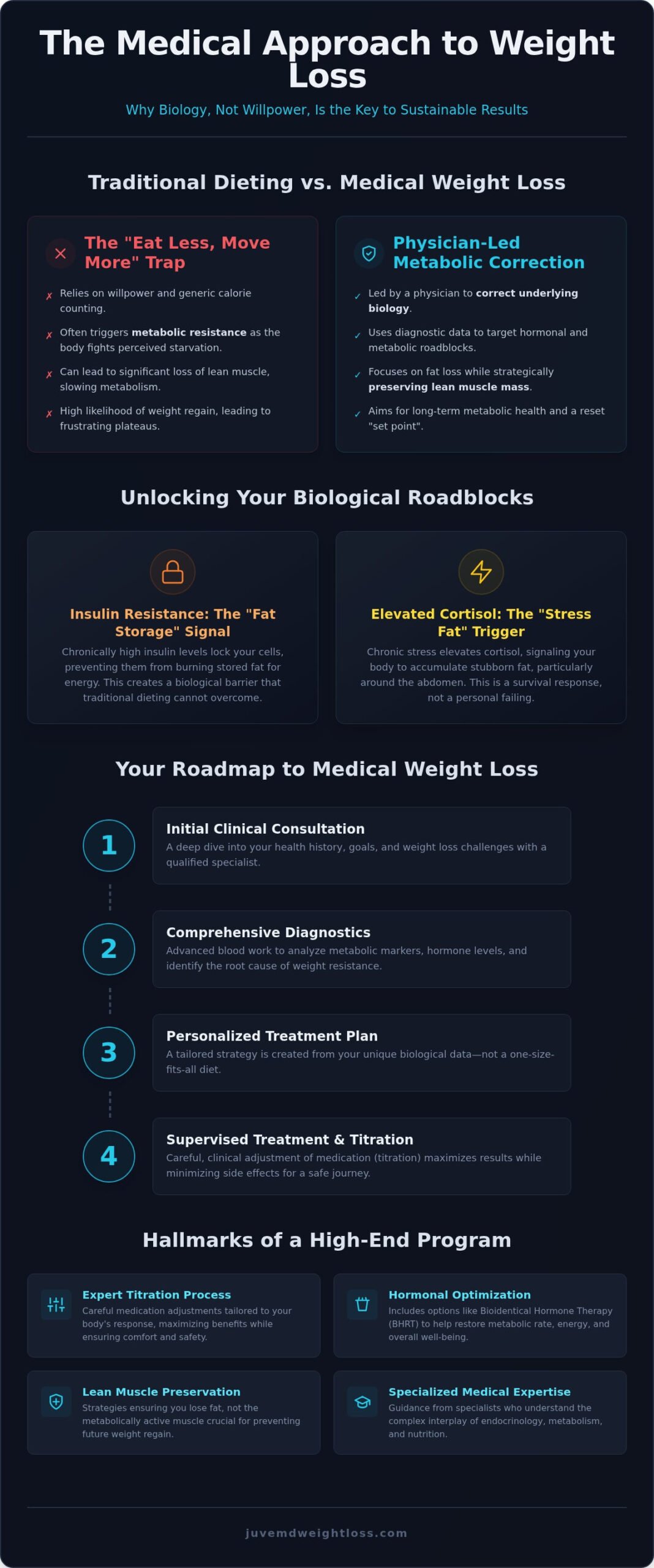
Medical weight loss is a physician-led approach that focuses on correcting biology rather than simply policing behavior. While many believe weight management is a matter of caloric math, the science of weight loss suggests a much more complex interplay of hormones, genetics, and metabolic adaptation. When you investigate how to start medical weight loss las vegas programs, it’s vital to distinguish between “prescription mills” that only provide medication and comprehensive clinical centers like JuveMD. A true medical program doesn’t just hand out a pill; it uses diagnostic data to address why your body is resisting fat loss.
Medical weight loss is a physician-led clinical strategy that synchronizes hormonal balance, metabolic efficiency, and nutritional science to achieve long-term metabolic health.
Traditional dieting often triggers “metabolic resistance,” a biological defense mechanism where the body slows its basal metabolic rate to prevent perceived starvation. This is why many people experience weight plateaus despite eating very little. A clinical program bypasses this by using metabolic testing to see exactly how your body processes energy, allowing for a strategy that works with your biology instead of against it.
The Shift from Caloric Deficits to Metabolic Optimization
Successful weight management involves resetting the body’s “set point,” which is the weight range your brain believes is ideal. A medical weight loss program Las Vegas requires professional oversight to ensure this reset happens safely. One major priority is preserving lean muscle mass. Without clinical supervision, rapid weight loss often results in muscle wasting. This loss of muscle further slows your metabolism and makes weight regain almost inevitable. We focus on fat loss while protecting the muscle that keeps your metabolism active.
Identifying the Candidates for Clinical Intervention
Clinical intervention is about more than just a number on a scale. While Body Mass Index (BMI) provides a baseline, we look deeper at visceral fat, the inflammatory fat stored around internal organs, and specific metabolic markers like fasting insulin levels. Those who benefit most from a medically supervised environment include individuals with comorbidities such as pre-diabetes, hypertension, or polycystic ovary syndrome (PCOS). For these patients, weight loss isn’t just a cosmetic goal; it’s a necessary medical correction that requires a tailored, expert-led plan. Understanding how to start medical weight loss las vegas begins with recognizing that your health history dictates your treatment path.
The Biological Foundation: Addressing Hormones and Metabolism
Weight management is rarely a matter of effort; it is a matter of endocrinology. For many, the struggle to lose weight is rooted in a fundamental disconnect between the brain and metabolic organs. Two of the most significant contributors to weight resistance are insulin resistance and elevated cortisol. When insulin remains chronically high, the body is effectively locked in “fat storage mode,” making it biologically impossible to access stored energy. Similarly, chronic stress triggers cortisol production, which signals the body to accumulate fat specifically in the abdominal region. This is why hormone imbalance and belly fat are so intrinsically linked. If you’re researching how to start medical weight loss las vegas, the first step involves a deep dive into your unique hormonal profile to unlock these metabolic gates.
Bioidentical Hormone Replacement Therapy (BHRT) serves as a powerful supportive tool in this process. By optimizing levels of testosterone or estrogen, we can significantly improve your metabolic rate and provide the physical energy required for consistent exercise. This isn’t about “anti-aging” in a superficial sense; it’s about restoring the chemical environment your body needs to thrive. Exploring these specialized wellness treatments can provide the clarity needed to overcome years of weight resistance.
Thyroid and Adrenal Function in Weight Management
Many patients arrive with “normal” thyroid lab results yet still suffer from classic symptoms of a metabolic slowdown, such as fatigue and cold intolerance. Standard screenings often use broad ranges that don’t account for optimal function. Our clinical programs screen for these overlooked factors, including how adrenal fatigue and chronic cortisol spikes contribute to midsection weight gain. We look for the subtle shifts in your lab work that indicate your metabolism is idling rather than burning, ensuring every biological hurdle is identified before treatment begins.
The Role of GLP-1 and GIP Receptor Agonists
Modern obesity treatment options have been revolutionized by GLP-1 and GIP receptor agonists like Semaglutide and Tirzepatide. These medications aren’t simple diet aids; they are tools for biological correction. They work by mimicking natural hormones that communicate with the brain to regulate appetite and with the gut to slow digestion. This dual action helps reset the body’s relationship with food. Beyond these well-known options, peptide therapy for weight loss represents an emerging frontier that uses cellular messengers to address metabolic hurdles at a foundational level, including advanced dual and triple-agonist therapies. However, medical supervision is critical when using these tools. Without expert guidance, rapid weight loss can lead to muscle wasting, which ultimately damages your long-term metabolic health. When considering how to start medical weight loss las vegas, choosing a clinic that prioritizes muscle preservation and nutritional balance is essential for sustainable success.
Step-by-Step: How to Begin Your Medical Weight Loss Journey
Embarking on a clinical weight management path requires a methodical approach that prioritizes your safety and unique biology. When you investigate how to start medical weight loss las vegas, the process typically begins with a deep dive into your medical history rather than a simple prescription. This structured onboarding ensures that every medication or therapy prescribed aligns with your body’s current state and long-term health goals. It’s about building a foundation for success that lasts well beyond the initial phase of treatment.
- Step 1: The initial clinical consultation and health history review allows our team to understand your previous weight loss attempts and current challenges.
- Step 2: Comprehensive diagnostic testing involves blood work and metabolic analysis to identify underlying obstacles like insulin resistance.
- Step 3: Development of a personalized treatment plan is led by a specialist like Dr. Andrea Dempsey, who synthesizes your lab data into a cohesive strategy.
- Step 4: The first administration includes detailed education on self-care, injection techniques, or clinical visit schedules.
- Step 5: Ongoing monitoring and dose titration ensure the program remains effective while minimizing potential side effects.
The Critical Importance of Baseline Blood Work
A high-quality medically supervised weight loss program relies on data, not guesswork. We test specific markers such as HbA1c to evaluate blood sugar control, full lipid panels for cardiovascular health, and comprehensive hormone levels to check for thyroid or adrenal issues. These markers dictate the choice between different medications; for example, selecting a GLP-1 over a GIP agonist based on your metabolic needs. This data-driven strategy ensures that we are treating the root cause of your weight gain rather than just the symptoms. Baseline labs are the blueprint for safe medical weight loss.
Personalizing the Protocol
Generic dosing is often the primary cause of the nausea and fatigue that lead people to quit their programs prematurely. We avoid the “one size fits all” trap by tailoring the titration schedule to your specific tolerance. Integrating bioidentical pellet hormone therapy into the plan can also bridge the gap for patients whose weight loss has stalled due to age-related hormonal declines. By setting realistic milestones for the first 3, 6, and 12 months, we create a sustainable pace that favors fat loss over temporary water weight changes. This long-term view transforms the experience from a temporary diet into a permanent lifestyle correction.
Navigating the Treatment: Titration, Nutrition, and Monitoring
Success in a clinical program isn’t just about the first dose; it’s about the methodical adjustment of that dose over time. This process, known as titration, involves slowly increasing your medication levels to find the “sweet spot” where you experience maximum fat loss with minimal discomfort. When you look into how to start medical weight loss las vegas, you’ll find that elite clinics prioritize this gradual approach to protect your metabolic health. It’s a stark contrast to DIY methods where rapid changes often lead to burnout or severe side effects.
While the medication manages biological hunger cues, your daily habits provide the building blocks for a new body composition. We emphasize a high-protein nutritional framework and consistent resistance training. This combination is vital because, as noted in the STEP 1 clinical trial where participants lost an average of 14.9% of their body weight, significant weight loss can include muscle tissue if not properly managed. By focusing on protein intake, you ensure that the weight lost comes primarily from fat stores while preserving the lean muscle that keeps your metabolism elevated.
Regular clinical check-ins serve as a safeguard against the “rebound” effect. These appointments allow us to monitor your vitals, adjust dosages based on real-time feedback, and provide the accountability necessary for long-term change. If you’re ready to move beyond temporary fixes, you can schedule a clinical evaluation to begin a structured, supervised journey.
Managing Side Effects and Comfort
It’s normal to experience mild gastrointestinal discomfort, such as nausea or fatigue, during the first month of treatment. We mitigate these issues through specific clinical tips, such as prioritizing hydration and timing your doses effectively. Certain micronutrients can also help bridge the gap during rapid fat loss phases. If side effects persist or interfere with your daily life, it’s a clear signal to contact your provider for a dose adjustment rather than pushing through the discomfort alone.
The ‘Exit Strategy’: Maintaining Your New Metabolic Set Point
A truly comprehensive program includes a plan for the day the medication ends. Our goal is to shift your body to a new, lower metabolic set point that is easier to maintain. Hormonal balance plays a critical role here; by optimizing your endocrine system throughout the process, your body is less likely to fight to regain the weight. This transition from active loss to long-term metabolic health monitoring ensures that your results are a permanent lifestyle correction, not just a seasonal change.
Selecting Your Specialist: What to Look for in a Weight Management Clinic
Choosing the right clinical partner is the most pivotal decision you’ll make in your health journey. When you research how to start medical weight loss las vegas, the sheer volume of options can be overwhelming, ranging from high-volume “shot clinics” to comprehensive wellness centers. A premier clinic is defined by the expertise of its leadership. You should always verify the credentials of the medical director to ensure they have specialized training in obesity medicine or hormonal health. Dr. Andrea Dempsey, for instance, focuses on the intersection of endocrinology and weight management, providing a level of depth that generic clinics simply can’t match.
A sophisticated provider offers more than just a prescription; they provide an integrated ecosystem of care. When evaluating a clinic, look for the following markers of quality:
- Integrated Services: Does the clinic offer Bioidentical Pellet Hormone Therapy, injectables, and skin treatments to support your total transformation?
- Personalized Attention: Will you receive a tailored plan based on your specific lab work, or are they using a “one size fits all” dosing schedule?
- Clinical Accessibility: Is there a direct line to your medical team for questions about titration, side effects, or nutritional adjustments?
- Diagnostic Depth: Do they require comprehensive baseline blood work before the first administration?
Prioritizing a specialized wellness center over a high-volume office ensures that your safety remains the primary focus throughout the titration process.
Why Medical Expertise Matters
The rise in popularity of GLP-1 medications has unfortunately led to a surge in unverified or non-clinical sources. Obtaining weight loss medications through these channels carries significant risks, as there’s no guarantee of purity or professional oversight. A specialist is essential for managing complex cases, particularly for patients with thyroid dysfunction or autoimmune issues that can complicate metabolic responses. JuveMD stands as a premier choice for those seeking expert-led care that treats the body as a complex, interconnected system rather than just a scale to be managed.
Ready to Start Your Transformation?
Starting with a medically supervised program provides the clinical guardrails necessary for sustainable success. By prioritizing your metabolic health today, you’re building a foundation for long-term longevity and vitality. It’s time to stop the cycle of frustration and begin a path rooted in biological science and professional guidance. Schedule your consultation with JuveMD to begin your personalized program.
Your Path to Lasting Metabolic Transformation
Achieving sustainable weight management requires a shift from temporary dieting to permanent biological correction. By addressing the root causes of metabolic resistance, such as insulin imbalance and cortisol spikes, you can finally move past the plateaus that have stalled your progress in the past. We’ve explored how a structured approach, involving clinical titration and precise nutritional support, ensures that you lose fat while protecting your vital lean muscle mass.
If you’re ready to learn how to start medical weight loss las vegas, the most critical step is partnering with a team that offers more than just a prescription. Led by hormone specialist Dr. Andrea Dempsey, JuveMD provides a sophisticated environment where integrated BHRT and GLP-1 protocols work in tandem with your unique physiology. Our program begins with comprehensive metabolic diagnostic testing to create a blueprint specifically for your body’s needs.
Take the first step toward a healthier, more vibrant version of yourself. Begin your personalized weight loss journey with a JuveMD consultation today. You don’t have to navigate this complex process alone; expert clinical guidance is the foundation of your long-term success and longevity.
Frequently Asked Questions
How do I know if I qualify for a medically supervised weight loss program?
Eligibility is generally based on your Body Mass Index (BMI) and the presence of weight-related health conditions. Typically, a BMI of 30 or higher, or a BMI of 27 paired with comorbidities like hypertension or type 2 diabetes, indicates a need for clinical intervention. We also look for signs of metabolic resistance where traditional dieting has failed. A thorough review of your health history and current metabolic markers will confirm if this specialized path is right for you.
What is the first step in starting a medical weight loss journey?
The first step is scheduling a comprehensive clinical consultation to evaluate your unique biological profile. During this visit, we discuss your medical history, previous weight loss attempts, and long-term wellness goals. If you are looking for how to start medical weight loss las vegas, this initial meeting serves as the foundation for your diagnostic testing. It ensures that every aspect of your upcoming treatment is tailored to your specific metabolic needs and safety.
How do hormones like estrogen and testosterone affect my weight loss results?
Hormonal balance directly dictates how your body stores and burns fat. Low testosterone in men or estrogen dominance in women can trigger stubborn fat accumulation, particularly in the midsection. When these levels are optimized through therapy, your basal metabolic rate often increases, and your energy levels for physical activity improve. Addressing these endocrine factors ensures that you aren’t fighting a biological uphill battle while trying to lose weight.
What medications are most commonly used in medical weight loss programs today?
Modern programs frequently utilize GLP-1 and GIP receptor agonists such as Semaglutide and Tirzepatide. These medications mimic natural hormones to regulate appetite and improve insulin sensitivity. In some cases, oral options like Foundayo or high-dose injectables like Wegovy HD are prescribed based on patient needs. The choice of medication depends entirely on your lab results and how your body responds to initial titration, ensuring a highly personalized approach to biological correction.
How long does it typically take to see results on a supervised program?
Most patients begin to see measurable changes in their weight and energy levels within the first four weeks of treatment. While initial progress often involves a reduction in inflammation and water weight, significant fat loss typically becomes visible as the medication dose is titrated upward. Clinical trials for semaglutide showed an average of 14.9% body weight loss over 68 weeks. Your specific timeline will depend on your metabolic starting point and adherence to nutritional and exercise guidelines.
Are medical weight loss programs covered by standard health insurance?
Insurance coverage for weight loss medications and clinical supervision varies significantly by provider and specific policy. While some plans cover diagnostic blood work or consultations, many explicitly exclude weight loss drugs. For example, Nevada law (NV AB399) requires coverage for bariatric surgery but often excludes anti-obesity medications. We recommend contacting your insurance carrier to verify your benefits. Many patients choose self-pay options to access specialized care and medications that may not be covered under standard policies.
What happens during the initial consultation with a weight loss doctor?
The initial consultation is a deep dive into your metabolic health and physical history. Your provider will perform a physical exam, review your vitals, and discuss the specific challenges you’ve faced with weight management. This is also when we order comprehensive lab panels to check your thyroid, blood sugar, and hormone levels. This meeting is designed to answer your questions and build a transparent roadmap for your upcoming treatment, ensuring you feel confident in every step.
Can I combine medical weight loss with other treatments like hormone therapy?
Yes, combining medical weight loss with Bioidentical Hormone Replacement Therapy (BHRT) is often the most effective way to address weight resistance. Integrating these treatments allows us to fix the underlying hormonal imbalances that contribute to fat storage while simultaneously using medications to manage appetite and metabolism. For patients seeking additional options, peptide therapy for weight loss offers another sophisticated layer of cellular-level metabolic support that can complement both hormonal optimization and GLP-1 protocols. This dual approach is a hallmark of sophisticated wellness centers. It ensures that your weight loss journey supports your overall vitality, muscle preservation, and long-term metabolic health.