
What if the most effective catalyst for your recovery wasn’t a synthetic drug, but a concentrated version of your own biology? Many patients researching PRP therapy Las Vegas feel trapped between the frustration of persistent injuries and a deep desire to avoid invasive surgeries. It’s exhausting to navigate the sea of conflicting medical information while dealing with thinning hair or joints that just won’t heal. You’re right to be wary of “quick fixes” that rely on artificial substances rather than proven clinical science.
In this guide, you’ll discover how Platelet-Rich Plasma leverages your body’s innate regenerative potential to trigger meaningful medical rejuvenation. We’ll demystify the complex biological process behind these treatments, providing the evidence-based clarity you need to feel confident in your health choices. From understanding how concentrated growth factors interact with damaged tissue to providing a clear roadmap for your first session, this clinical overview ensures you’re fully prepared for every step of the journey.
Key Takeaways
- Learn how Platelet-Rich Plasma functions as a biological catalyst, using your own concentrated growth factors to stimulate natural tissue repair and rejuvenation.
- Understand the three essential stages of the regenerative response and why the initial inflammatory signal is a necessary part of the healing process.
- Discover why precision matters in PRP therapy Las Vegas, specifically how different platelet concentrations are required for optimal results in scalp versus joint applications.
- Gain a clear protocol for treatment preparation, including the critical 7-day window for hydration and the importance of avoiding specific anti-inflammatory medications.
- Explore the vital link between your baseline hormonal health and your body’s ability to effectively synthesize new collagen and repair damaged tissue.
What is Platelet-Rich Plasma (PRP)? Understanding the Biologic Foundation
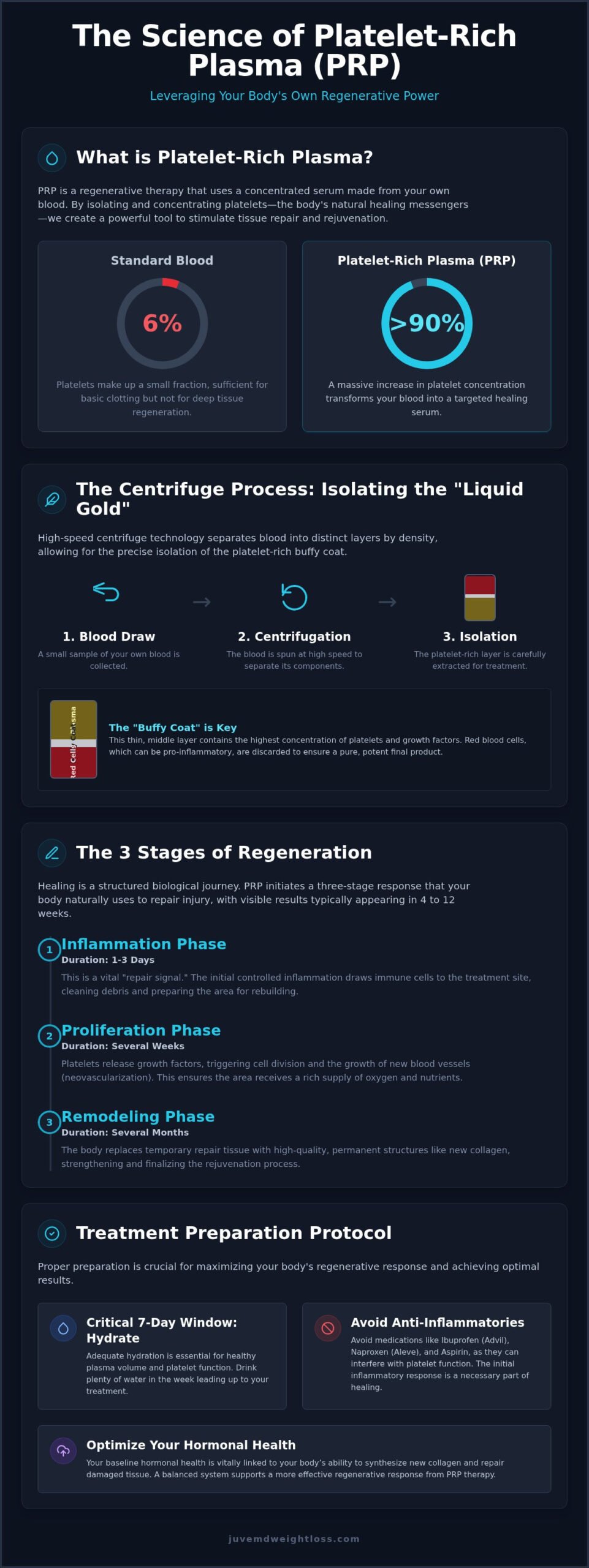
What is Platelet-Rich Plasma? To understand this treatment, we must look at the fundamental building blocks of human blood. Your blood is a complex mixture of red cells, which carry oxygen; white cells, which fight infection; and plasma, the “liquid gold” medium that carries everything through your veins. PRP is a regenerative medical tool that utilizes the body’s own growth factors to signal tissue repair. By isolating and concentrating the platelets from your own blood, we create a powerful autologous product designed to jumpstart the body’s natural healing mechanisms.
In a standard blood sample, platelets only account for about 6% of the total volume. While this is sufficient for basic clotting, it isn’t enough to drive deep tissue regeneration in areas with poor blood flow, such as tendons or thinning scalp tissue. Through advanced clinical processing, we elevate that concentration to over 90%. This massive increase in platelet density is what makes PRP therapy Las Vegas an effective option for those seeking non-surgical rejuvenation. It transforms your blood from a simple transport system into a targeted healing serum.
The Role of Growth Factors in Tissue Regeneration
Platelets are essentially tiny reservoirs filled with signaling proteins. When injected into damaged tissue, they release these growth factors to initiate a cascade of biological events. These proteins act as a beacon, calling out to local stem cells and instructing them to begin cellular division. It’s a sophisticated communication network. Certain cytokines within the concentrate work to dampen chronic inflammation, while others focus on the structural integrity of the site. This process stimulates the production of fresh collagen and remodels the extracellular matrix; this provides the necessary scaffolding for healthy, vibrant tissue to grow.
Centrifuge Technology: Separating Healing Cells from Waste
The success of the procedure relies heavily on the technology used to prepare the sample. We utilize a high-speed centrifuge to apply precise G-force to your blood. This mechanical rotation forces the blood to separate into distinct layers based on their molecular weight. Red blood cells are the heaviest and settle at the bottom. Because they can be pro-inflammatory, we carefully remove them from the final product. The goal is to isolate the “Buffy Coat,” a thin layer where the most potent platelets and white cells reside. While many providers rely on basic bedside centrifuges, advanced lab-grade processing ensures a much higher purity and concentration. This level of precision is vital for those undergoing PRP therapy Las Vegas, as it ensures the final injection contains only the most effective healing elements without unnecessary cellular waste.
The Science of Regeneration: How PRP Heals from Within
Regeneration is a structured biological journey rather than an overnight transformation. When patients undergo PRP therapy Las Vegas, they’re initiating a three-stage healing response that mirrors the body’s natural recovery from injury. This progression ensures that new tissue is not just created, but properly integrated and strengthened over time. The process follows a logical sequence that your body already knows how to execute.
- Inflammation: This initial phase lasts roughly one to three days. While we usually view inflammation as a negative, here it’s a vital “repair signal.” It draws immune cells to the site and prepares the environment for rebuilding.
- Proliferation: During this stage, which lasts several weeks, the concentrated platelets release growth factors that trigger cellular division and neovascularization. This is the growth of new blood vessels, ensuring the treated area receives a steady supply of oxygen and nutrients.
- Remodeling: In the final months, the body replaces temporary repair tissue with high-quality, permanent structures like collagen.
Because these stages take time, patients shouldn’t expect immediate visual changes. Cellular repair is a slow, methodical process. Most clinical results become apparent between four to twelve weeks after the initial injection, as the remodeling phase matures. If you’re interested in how this timeline fits your goals, a personalized clinical evaluation can provide a more specific roadmap.
PRP for Hair Restoration: Awakening Dormant Follicles
Regarding hair health, PRP targets the dermal papilla cells at the base of the follicle. By delivering a concentrated dose of growth factors, the treatment helps extend the “Anagen” or active growth phase of the hair cycle. This can awaken dormant follicles and increase the diameter of existing hair shafts. For those dealing with androgenetic alopecia, this approach works exceptionally well as a hormonal hair loss treatment, addressing the biological environment that causes thinning.
Skin Rejuvenation and Aesthetic Applications
When applied to the skin, PRP acts as a powerful stimulator for fibroblasts. These are the cells responsible for producing collagen and elastin, the two proteins that give skin its elasticity and youthful volume. Unlike synthetic fillers that provide temporary volume, PRP for aesthetic treatments improves the actual health and texture of the skin from the inside out. Many patients find success by combining this biological approach with other aesthetic skin treatments to address both surface-level imperfections and deeper structural thinning. This synergy ensures that PRP therapy Las Vegas delivers a more comprehensive rejuvenation that looks natural because it is natural.
Aesthetic vs. Orthopedic PRP: Key Differences in Application
One common mistake patients make is assuming all PRP treatments are identical. They aren’t. The biological requirements of a knee joint are vastly different from those of the facial dermis or the scalp. To achieve clinical success, the concentration of platelets must be tailored to the specific tissue being treated. For instance, orthopedic applications often require a higher concentration of leukocytes to clear away damaged debris, while aesthetic treatments prioritize a “leukocyte-poor” formula to minimize swelling in sensitive areas. This is why a standardized approach fails to deliver the high-standard results expected from PRP therapy Las Vegas.
Precision in delivery is just as important as the formula itself. Orthopedic specialists often utilize ultrasound guidance to ensure the concentrate reaches the exact site of a micro-tear or joint space. In contrast, aesthetic applications rely on superficial intradermal injections or microneedling to distribute growth factors across the skin’s surface. While the primary goal in orthopedics is functional pain relief and improved mobility, aesthetic outcomes focus on structural restoration, such as densifying hair follicles or smoothing skin texture. Understanding these distinctions is the first step in setting realistic expectations for your regenerative journey.
Targeting Connective Tissues: Tendons and Ligaments
Chronic tendinosis occurs when a tendon fails to heal properly, often due to naturally low blood flow in connective tissues. PRP addresses this by introducing a surge of healing signals directly where they’re needed most. These advancements in Platelet-Rich Plasma Therapy have proven particularly effective in sports medicine, helping patients recover from degenerative wear and tear without the need for immediate surgical intervention. By strengthening the biological scaffolding of a joint, many individuals can effectively delay or even prevent the need for joint replacement surgery.
Targeting the Dermis: Fine Lines and Scars
In medical aesthetics, we use PRP to accelerate the healing process following clinical procedures or to treat long-term sun damage. The growth factors trigger a rapid increase in cellular turnover, which is essential for reducing the appearance of acne scarring and fine lines. Because the treatment is autologous, it offers a high level of safety for patients with sensitive systems who are wary of synthetic chemicals. This self-derived approach ensures that the body recognizes the repair signals as its own, leading to a smoother and more predictable recovery. It’s a foundational tool for those who prefer to leverage their own biology rather than relying on artificial fillers.
The Treatment Journey: Preparation and Recovery Protocol
The clinical success of your procedure begins long before the first injection. To ensure the highest quality of autologous concentrate, we recommend a strict 7-day preparation window. Proper hydration is the most critical factor; it directly impacts your total plasma volume and the ease of the blood draw. Equally vital is the temporary cessation of non-steroidal anti-inflammatory drugs (NSAIDs) such as aspirin, ibuprofen, or naproxen. Since we previously discussed how the inflammatory response acts as the essential “repair signal,” using these medications can inadvertently mute the very biological trigger required for regeneration.
During your appointment, the process begins with a standard blood draw, similar to a routine laboratory test. Once the sample is processed in our advanced centrifuge, the concentrated platelets are reintroduced to the target area. While the procedure is minimally invasive, patients should anticipate localized swelling or a sense of fullness in the treated tissue. This “social downtime” is typically brief, but it reflects the active biological work occurring beneath the surface. For those seeking PRP therapy Las Vegas, understanding this clinical timeline is key to a stress-free experience.
Maximizing Your Platelet Quality
Your lifestyle choices directly influence the potency of your growth factors. A diet rich in leafy greens and lean proteins, paired with high water intake, optimizes the cellular environment. Conversely, habits like smoking or excessive alcohol consumption can inhibit the regenerative response by constricting blood vessels and increasing oxidative stress. For the best outcome, ensure you are well-rested and have consumed a nutritious, low-fat meal in the hours leading up to your clinical visit. To prepare effectively, focus on high hydration and the total avoidance of anti-inflammatory medications for the 48 hours immediately preceding your session.
What to Expect During Recovery
Post-injection, it is common to experience a “flare” response, characterized by mild soreness or redness as the inflammatory phase begins. For hair restoration, you might notice slight scalp tenderness, while skin treatments may result in temporary puffiness. Most patients reach their first recovery milestone within the first week as the initial swelling subsides. However, because cellular remodeling is cumulative, we typically recommend a series of three to four sessions, spaced four to six weeks apart, to achieve optimal outcomes. To begin your personalized journey toward medical rejuvenation, you can book your clinical consultation here to discuss a tailored treatment plan.
The Hormone Connection: Optimizing Your Regenerative Potential
A common question among patients is why clinical outcomes can vary significantly between two individuals receiving the same treatment. The answer often lies in the body’s baseline biological environment. While PRP provides the necessary signals for repair, your hormones provide the fuel. If your internal system is struggling with metabolic dysfunction or hormonal decline, the regenerative response may be muted. For those considering PRP therapy Las Vegas, addressing these underlying factors is essential for maximizing the longevity and quality of your results.
Testosterone and estrogen play foundational roles in tissue repair. Estrogen is a primary regulator of skin thickness and collagen density, while testosterone is vital for protein synthesis and the structural integrity of connective tissues. When these levels are sub-optimal, the body’s ability to “read” the repair signals from PRP is compromised. Integrating a hormone therapy consultation into your planning ensures your biology is primed for success. Additionally, improving systemic health through medical weight loss can reduce chronic inflammation, creating a more receptive environment for growth factors to function effectively.
Synergy Between BHRT and PRP
At JuveMD, we prioritize treating the root cause of health concerns rather than just the visible symptoms. This is why we often recommend bioidentical pellet hormone therapy as a companion to regenerative procedures. For example, correcting a thyroid imbalance is often a necessary prerequisite for successful hair restoration. Without stable thyroid function, even the most concentrated platelets may struggle to sustain the follicle’s growth phase. By aligning your endocrine health with your aesthetic goals, we create a powerful synergy that supports faster healing and more robust tissue remodeling. This integrative approach ensures that your body has the raw materials it needs to respond to the growth factor signals effectively.
Next Steps: Personalized Regenerative Planning
Every regenerative journey should begin with a thorough medical evaluation by a specialist who understands the complex interplay between hormones and healing. Dr. Andrea Dempsey leads our team in developing multi-modal treatment plans that are as unique as your own biology. We don’t believe in a “one size fits all” approach. Instead, we combine advanced nutrition, hormonal optimization, and precisely concentrated PRP to help you reach your health goals. Our commitment to transparency ensures that you feel informed and empowered throughout every stage of your recovery. To begin your assessment and discover how a personalized roadmap can improve your outcomes, you can contact our clinical team to schedule your initial evaluation.
Empowering Your Body’s Natural Healing Potential
Regenerative medicine marks a significant shift from masking symptoms to addressing the biological root causes of tissue decline. By understanding the foundational science behind PRP therapy Las Vegas, you can move forward with the confidence that your treatment is rooted in clinical evidence. The most successful outcomes don’t happen in isolation; they result from science-backed regenerative protocols that consider your systemic health, including metabolic and hormonal balance. This integrated approach ensures your body has the necessary resources to effectively respond to concentrated repair signals.
Choosing a path toward medical rejuvenation is a personal journey that deserves expert guidance. Our practice provides a sophisticated blend of integrated hormonal and aesthetic care to ensure every patient receives a plan tailored to their unique physiology. Consultations led by Dr. Andrea Dempsey focus on transparency and education, helping you navigate your options with clinical clarity. It’s time to stop feeling frustrated by slow progress and start leveraging your own innate healing potential. Schedule your clinical PRP consultation at JuveMD today and take the first step toward a more vibrant, revitalized version of yourself.
Frequently Asked Questions
Is PRP therapy painful during the injection process?
Most patients describe the sensation as a series of quick pinpricks or a feeling of pressure. We use various comfort measures, such as topical numbing creams or small-gauge needles, to minimize any potential discomfort. While the injection itself is brief, the concentrated nature of the plasma can cause a temporary fullness sensation. This is a normal part of the inflammatory signal and typically subsides within a few hours following the procedure.
How many PRP sessions are typically required for hair growth?
A standard clinical protocol for hair restoration usually involves an initial series of three to four sessions. These appointments are typically spaced four to six weeks apart to align with the natural growth cycle of your hair follicles. After this foundational phase, many patients transition to a maintenance schedule of one session every six to twelve months. This cumulative approach ensures that the active growth phase remains consistently supported by fresh growth factors.
Can I drive myself home after a PRP therapy appointment?
Yes, you can drive yourself home immediately following your appointment. Since PRP therapy Las Vegas is a non-surgical procedure performed under local comfort measures rather than general sedation, there’s no impairment to your motor skills. Most patients return to their daily routines right away. We simply advise that you stay hydrated and avoid strenuous exercise for the remainder of the day to support the initial healing phase and overall recovery.
Are there any risks of allergic reactions with PRP?
The risk of an allergic reaction is virtually non-existent because the product is autologous, meaning it’s derived entirely from your own blood. Your body recognizes the platelets and plasma as its own biological material. This is a primary benefit for patients who are wary of synthetic chemicals or foreign fillers. While localized redness or swelling at the injection site is common, these are expected biological responses to the treatment, not an allergic rejection.
How soon will I see results from my PRP skin treatment?
You might notice an improvement in skin glow within the first week, but structural results take longer to manifest. Because the process relies on stimulating your fibroblasts to produce new collagen and elastin, the most significant changes typically appear between four and twelve weeks post-treatment. This biological timeline allows for the remodeling phase to mature. Patients often see continued refinement in skin texture and tone as they complete their full series of clinical sessions.
Does insurance typically cover regenerative PRP procedures?
Most insurance providers currently classify PRP as an elective or investigational procedure, which means it’s generally not covered by standard plans. This applies to both aesthetic applications and many orthopedic uses. We recommend contacting your specific insurance carrier to verify their current policies regarding regenerative medicine. To help manage the investment in your health, many clinical practices offer third-party financing options that make a full series of treatments more accessible for patients.
What is the difference between PRP and a regular blood draw?
While the initial step feels identical to a standard lab test, the clinical processing is what sets it apart. A regular blood draw is used for diagnostic analysis, whereas PRP involves a sophisticated centrifugation process to isolate and concentrate your platelets. This transforms a simple blood sample into a potent healing serum with a platelet concentration up to five to ten times higher than normal blood. It’s the difference between testing your health and actively improving it.
Can PRP be combined with other cosmetic injectables like Botox?
Yes, PRP therapy Las Vegas is frequently used in tandem with other cosmetic injectables to provide a more comprehensive rejuvenation. While Botox or dermal fillers address dynamic wrinkles and immediate volume loss, PRP works on a cellular level to improve skin quality. When combined, these treatments offer a layered approach to wellness. We typically coordinate the timing of these procedures during your clinical consultation to ensure the best possible synergy between the various products.