
What if the health risks you’ve been told to fear about hormone replacement aren’t inherent to the hormones themselves, but rather the specific molecular structure of the medication? When investigating bioidentical hormone therapy side effects, it’s common to feel trapped between the debilitating symptoms of imbalance and the alarming headlines regarding synthetic options. It’s completely understandable to feel hesitant when terms like blood clots or cardiovascular risks are part of the conversation. You want to feel like yourself again, but you also want the peace of mind that comes with a medically grounded, personalized approach to care.
Understanding the nuance of these clinical differences is the first step toward reclaiming your vitality. While synthetic hormones often use a one-size-fits-all approach that can lead to a frustrating cycle of symptoms, bioidentical options are designed to mimic your body’s natural molecular footprint. This article explores the clinical distinctions between these two paths and examines how precise delivery methods like pellet therapy minimize risks. We’ll also review the significant 2026 FDA labeling updates to help you make a choice that prioritizes your long-term health and daily comfort.
Key Takeaways
- Distinguish between synthetic “molecular mismatches” and bioidentical structures to understand why your body processes them differently.
- Navigate common bioidentical hormone therapy side effects like mild bloating or breast tenderness, which typically resolve as your body reaches a state of balance.
- Evaluate the benefits of pellet therapy for maintaining stable hormone levels and avoiding the peaks and valleys associated with daily administration.
- Review the latest clinical insights, including the 2026 removal of certain “black box” warnings, to address long-standing concerns about hormone safety.
- Learn how expert monitoring and personalized dosing adjustments can proactively manage side effects for a smoother transition to wellness.
Understanding Bioidentical Hormone Therapy and the Context of Side Effects
Bioidentical hormone replacement therapy (BHRT) is a medical treatment that utilizes hormones with a molecular structure identical to those produced naturally by the human body. This precision is not just a marketing term; it is a foundational biological requirement for how your cells communicate. When people investigate bioidentical hormone therapy side effects, they are often reacting to a legacy of fear rooted in the 2002 Women’s Health Initiative (WHI) study. That study primarily examined synthetic hormones, which differ significantly from the biological blueprints your body expects. Fortunately, the medical community has reached a turning point. In February 2026, the FDA officially removed the “black box” warning from many hormone therapy products, acknowledging that our understanding of these risks has evolved significantly since the early 2000s.
At JuveMD, Dr. Andrea Dempsey emphasizes that the goal of treatment is optimization rather than just reaching a standard “normal” range. Standard lab results often reflect a broad average of the population, which might not represent your personal peak health. By focusing on individualized levels, we aim to eliminate the symptoms of deficiency while avoiding the complications of over-supplementation. This proactive approach relies on the fact that Bioidentical Hormone Replacement Therapy uses substances that fit your internal receptors like a master key, reducing the likelihood of the adverse reactions seen with mismatched synthetic alternatives.
The Molecular Difference: Bioidentical vs. Synthetic
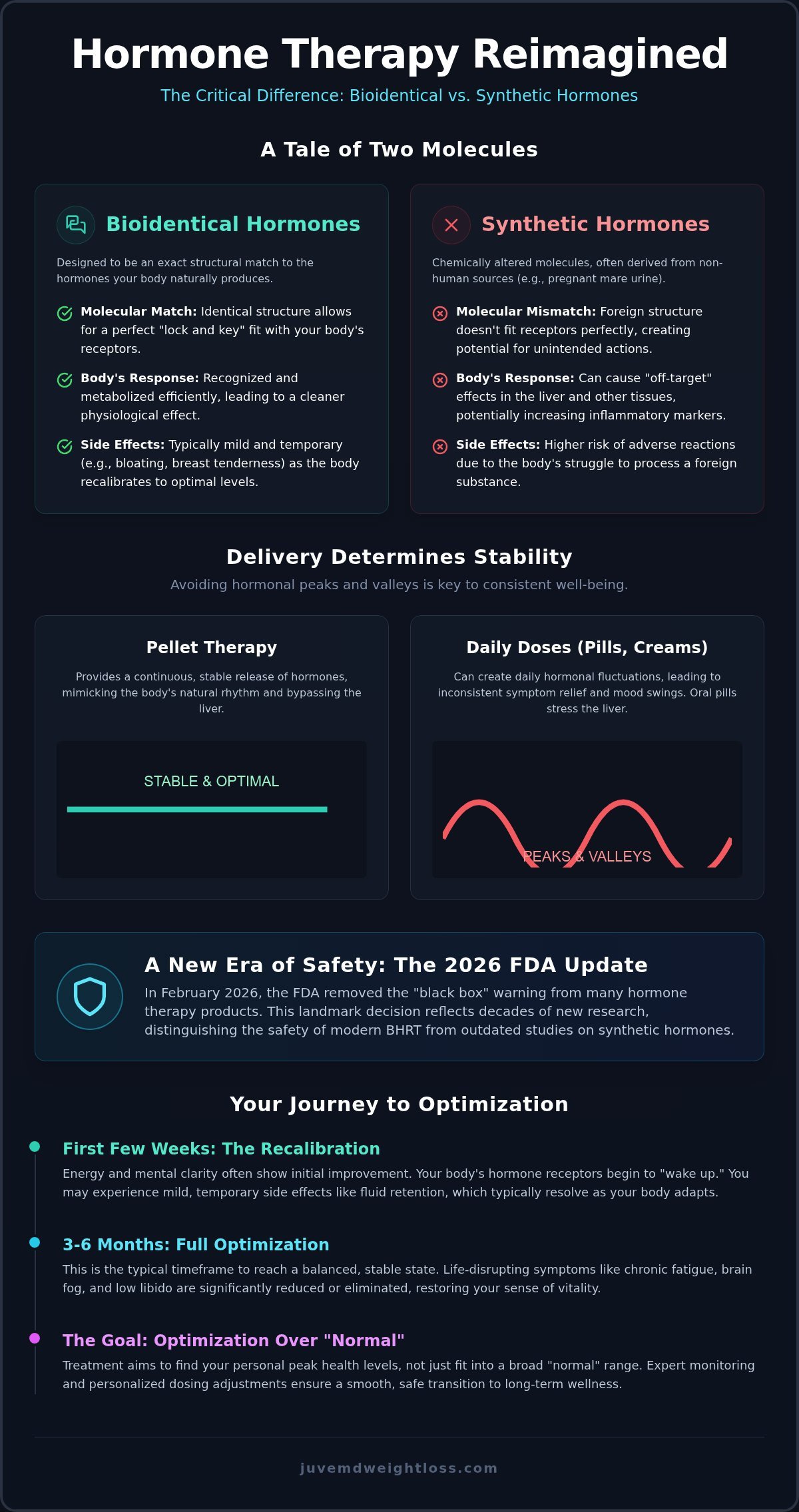
Synthetic hormones, such as Premarin or various progestins, are often derived from sources like pregnant mare urine or created with chemical alterations that don’t exist in nature. These structural differences matter at the atomic level. Because synthetic molecules aren’t a perfect match, they can bind to unintended receptors or remain in the system longer than necessary. This mismatch is a primary driver of “off-target” side effects in the liver and breast tissue. In contrast, your body recognizes bioidentical estradiol and progesterone as its own. This recognition allows for more efficient metabolism and a cleaner physiological response, which is why many patients report fewer bioidentical hormone therapy side effects compared to traditional synthetic regimens.
Commonly Treated Symptoms and Expected Relief
Most patients seek therapy to address life-disrupting symptoms like chronic fatigue, brain fog, and low libido. While the molecular match of BHRT helps minimize risks, your body still requires an adjustment period. You might notice improvements in energy and mental clarity within the first few weeks, but full optimization typically takes three to six months. During this initial phase, some individuals experience minor adjustments as their receptors “wake up” to the new hormone levels. These temporary shifts are part of the recalibration process toward a balanced state. By using precise delivery methods like pellets, we can maintain steady-state levels that prevent the volatile emotional or physical swings often associated with older, less stable delivery formats.
Bioidentical Hormones vs. Synthetic Hormones: A Side Effect Comparison
The primary reason patients experience fewer adverse reactions with BHRT is the elimination of the “molecular mismatch” common in synthetic treatments. Synthetic hormones, such as medroxyprogesterone acetate (MPA), are designed to mimic human hormones but contain chemical side chains that don’t exist in our bodies. These foreign structures often cause “off-target” effects, where the hormone binds to unintended receptors in the liver or breast tissue. When comparing bioidentical hormone therapy side effects to synthetic alternatives, the difference often lies in how the liver processes these substances. Oral synthetic hormones undergo first-pass metabolism, which can increase inflammatory markers and clotting factors. Bioidentical options, particularly when delivered via pellets or transdermal routes, bypass this process, maintaining a cleaner safety profile.
It is vital to distinguish between temporary physiological adjustments and genuine red flags. During the first few weeks of therapy, your body is recalibrating to new, optimal levels. You might notice mild fluid retention or breast sensitivity, but these are typically transient. Conversely, synthetic options are more frequently associated with persistent issues like migraines or gallbladder complications. The Endocrine Society position on BHRT emphasizes that while all therapy requires clinical oversight, the molecular structure significantly influences how a patient tolerates the treatment long-term.
Synthetic Progestins and the Risk Profile
Synthetic progestins are notorious for mood-related complications. Many women report feelings of irritability, “brain fog,” or even a synthetic “hangover” when using non-bioidentical versions. This happens because synthetic progestins don’t always cross the blood-brain barrier in a way that supports neurological health. Bioidentical progesterone, however, is neuroprotective. It converts into allopregnanolone, a metabolite that interacts with GABA receptors to promote deep sleep and reduce anxiety. Choosing the bioidentical route often means trading the irritability of synthetics for a sense of calm and restoration. If you’re curious about how these differences apply to your specific health profile, you can explore personalized optimization options with our clinical team.
Estrogen Balance: Bioidentical Estradiol vs. Synthetic Estrogens
Managing estrogen is a delicate science. Synthetic estrogens, often derived from animal sources, can be difficult for the human body to break down, leading to “estrogen dominance” symptoms like severe bloating and weight gain. Bioidentical estradiol is a perfect match for your body’s receptors, which allows for much more precise dosing. This precision is essential for protecting bone density and supporting heart health without overstimulating sensitive tissues. By monitoring bioidentical hormone therapy side effects during the initial adjustment phase, providers can fine-tune your dosage to ensure you reap the protective benefits of estrogen while remaining completely comfortable.
Potential Side Effects of Bioidentical Hormone Therapy
While bioidentical hormones are an exact match for your body’s chemistry, introducing them after a period of deficiency requires a recalibration phase. Your receptors, which may have been under-stimulated for years, need time to adjust to these new, optimal levels. Research regarding Bioidentical Hormone Therapy safety and efficacy suggests that while the long-term profile is favorable, the first 4 to 8 weeks often involve minor physical shifts. These bioidentical hormone therapy side effects are typically indicators that your body is responding to the treatment, rather than signs of a negative reaction.
Common symptoms during this transition include mild breast tenderness, which is often a sign of estrogen reactivation in the tissue. Some individuals might notice temporary fluid retention or “bloating” as their sodium-potassium balance resets. Because hormones like testosterone can influence the sebaceous glands, a slight increase in oil production or mild acne can also occur. These changes are usually self-limiting and resolve as your hormone levels stabilize. Understanding this “transition period” helps you stay the course while your body finds its new equilibrium.
Managing Physical Adjustments
Navigating the initial weeks of therapy is easier when you understand how to support your body’s transition. To minimize bloating, we recommend increasing your water intake and monitoring your salt consumption, as this helps flush out excess fluid. Breast sensitivity can often be managed by ensuring your progesterone levels are balanced alongside your estrogen. It’s essential to distinguish between a permanent bioidentical hormone therapy side effect and a temporary dosing adjustment. If symptoms persist beyond the initial eight-week window, a specialist can fine-tune your prescription to find the exact “sweet spot” for your unique physiology.
Hormones and Weight: Myth vs. Reality
A frequent concern for many patients is whether hormone optimization leads to weight gain. In reality, hormonal imbalances, such as low testosterone or estrogen dominance, are more likely to cause metabolic slowing and fat accumulation. Optimized testosterone actually supports lean muscle mass and more efficient fat distribution. For those struggling with stubborn weight, our medical weight loss program combines metabolic support with BHRT to ensure your body burns fuel effectively. By addressing the underlying hormonal environment, you can avoid the metabolic “stall” that often accompanies aging or menopause.
How Delivery Methods Influence Your Side Effect Risk
The way your body receives hormones is just as critical as the hormones themselves. Many traditional methods, such as oral pills, require the liver to process the medication before it enters the bloodstream. This “first-pass metabolism” can increase inflammatory markers and the risk of blood clots or gallbladder issues. By choosing transdermal or pellet-based delivery, you bypass the digestive system entirely. This direct entry into the circulation significantly lowers the potential for systemic bioidentical hormone therapy side effects that often plague synthetic oral options.
The “rollercoaster effect” is another common hurdle with topical creams or daily pills. These methods create sharp peaks in hormone levels shortly after administration, followed by a rapid decline. These fluctuations can trigger headaches, irritability, and energy crashes as your body struggles to adapt to the constant change. Avoiding these peaks and valleys is essential for maintaining a stable mood and consistent energy levels throughout the day.
The Advantage of Bioidentical Pellets
Bioidentical pellets solve the problem of hormonal volatility by providing a constant, low-dose release of hormones for three to five months. Because the pellets are placed just beneath the skin, they release hormones based on cardiac output, mimicking how your body naturally functioned at its peak. This steady-state delivery is why patients often report fewer mood swings and migraines compared to other delivery methods. A key question many patients have is how long hormone pellets last for their specific biology, since individual metabolic burn rates can significantly influence your treatment timeline. You can learn more about the specific hormone pellet insertion procedure to understand how this long-term solution is administered in a clinical setting.
Personalized Dosing: The Key to Minimizing Risks
A “one size fits all” approach is the most frequent cause of avoidable bioidentical hormone therapy side effects. Every individual has a unique metabolic rate and receptor sensitivity, meaning a dose that works for one person might be excessive or insufficient for another. Dr. Andrea Dempsey prioritizes precision over standard protocols by utilizing comprehensive blood panels before and during treatment. This data-driven approach allows us to tailor the dosage to your specific metabolic needs, ensuring you reach an optimal state without unnecessary complications. If you’re ready to move beyond generic treatments, schedule a clinical consultation to begin your personalized optimization journey.
Consulting a Specialist: Your Path to Safe Hormone Optimization
Clinical supervision serves as the essential safeguard for anyone beginning a journey toward hormonal balance. While the molecular structure of bioidentical options provides a safer foundation, the human element of expert oversight ensures that your treatment remains effective and comfortable. A qualified specialist does more than simply write a prescription; they act as a supportive guide who monitors your physiological response and proactively manages any bioidentical hormone therapy side effects. This personalized attention is what transforms a standard medical procedure into a comprehensive strategy for long-term vitality.
When selecting a hormone specialist, it is vital to look for a provider who understands that “normal” lab results are not the same as “optimal” levels. Many practitioners rely on broad reference ranges that don’t account for individual symptoms or lifestyle goals. Dr. Andrea Dempsey and the clinical team at JuveMD prioritize a more nuanced approach, combining deep expertise in hormonal health with an understanding of metabolic wellness. This allows for a treatment plan that addresses the root cause of your concerns rather than just masking symptoms with a generic dose.
Preparing for your first consultation is an empowering step toward reclaiming your health. We encourage patients to arrive with specific questions regarding the management of potential adjustments. You might ask how the clinic handles initial fluid retention, what the protocol is for fine-tuning a dose if you experience skin changes, or how often your progress will be reviewed. These conversations build a foundation of transparency and trust, ensuring you feel informed about every aspect of your care.
Monitoring and Follow-Up Care
Achieving a steady state of hormonal optimization requires consistent monitoring through follow-up lab work and clinical evaluations. Typically, labs are repeated three to four months after starting therapy to assess how your body is metabolizing the hormones. These results, paired with your subjective feedback on symptom relief, allow your specialist to make precise adjustments. Professional oversight is the single most important factor in BHRT safety. By maintaining this rigorous schedule, we can ensure your levels remain in the “sweet spot” where benefits are maximized and side effects are minimized.
Taking the Next Step Toward Balance
Education is the most effective tool for reducing the anxiety often associated with starting a new medical treatment. By understanding the clinical differences between bioidentical and synthetic options, you can move forward with confidence in your choice. The JuveMD approach integrates hormone optimization with holistic wellness and weight management to provide a total health transformation. If you are ready to address bioidentical hormone therapy side effects through a personalized and medically grounded plan, we invite you to schedule a consultation. Taking a proactive approach to your hormonal health is a powerful investment in your future energy and quality of life.
Reclaiming Your Vitality Through Precise Hormonal Optimization
Choosing the right path for your health requires understanding that molecular structure and delivery methods are the primary drivers of your experience. The clinical transition from synthetic “mismatches” to bioidentical pellets significantly reduces systemic risks. By bypassing the liver and maintaining steady-state levels, you can avoid the volatile fluctuations that often cause discomfort. Proactively managing bioidentical hormone therapy side effects starts with moving away from one-size-fits-all dosing and toward a data-driven, clinical approach tailored to your specific metabolic needs.
At JuveMD, we combine expertise in hormonal health with medical weight loss to provide a comprehensive wellness strategy. Our high-end clinical environment is designed for your comfort, ensuring that every step of your journey is supported by detailed lab work and the professional guidance of Dr. Andrea Dempsey. You don’t have to settle for feeling less than your best as you age. Schedule your personalized hormone consultation with Dr. Andrea Dempsey today. We’re here to help you rediscover your most balanced and energized self.
Frequently Asked Questions
Are bioidentical hormones safer than synthetic hormones?
Bioidentical hormones are often considered a safer alternative because they are molecularly identical to the hormones your body produces naturally. This precise match allows your cells to recognize and process them more efficiently than synthetic versions. By avoiding the foreign chemical structures found in synthetic options, you reduce the risk of “off-target” reactions in sensitive tissues like the liver and breasts.
What are the most common side effects of bioidentical progesterone?
Common side effects of bioidentical progesterone include mild drowsiness, breast tenderness, or occasional spotting during the first few weeks of treatment. Many patients actually find the sedative effect of progesterone helpful for improving sleep quality. These symptoms are typically temporary and signify that your body is adapting to restored hormonal balance after a period of deficiency.
Can bioidentical hormone therapy cause weight gain?
Bioidentical hormone therapy is more likely to support weight loss by optimizing your metabolism and increasing lean muscle mass. While some patients experience minor fluid retention or bloating when they first start treatment, this is not true fat gain. Long-term optimization helps resolve the metabolic slowing often associated with hormonal decline, leading to better weight management outcomes.
How long does it take for side effects to go away?
Most adjustment-related symptoms resolve within four to eight weeks as your hormone receptors stabilize at their new levels. This transition period is a normal part of the recalibration process. If you find that symptoms persist beyond the two-month mark, it’s usually an indication that your specialist needs to fine-tune your dosage to better fit your unique physiological needs.
Do bioidentical pellets have fewer side effects than oral hormones?
Bioidentical pellets generally result in fewer complications because they bypass the digestive system and the liver’s first-pass metabolism. This delivery method provides a constant, low-dose release of hormones into the bloodstream for several months. By maintaining steady levels, pellets eliminate the “rollercoaster” peaks and valleys that often trigger headaches or mood swings associated with daily oral pills.
Is hair loss a side effect of bioidentical testosterone therapy?
Hair loss is not a standard result of bioidentical testosterone when your levels remain within an optimal clinical range. Thinning hair only becomes a concern if doses are excessively high, which can lead to an overproduction of dihydrotestosterone (DHT). Regular blood work and professional monitoring ensure your testosterone stays at a level that supports vitality without impacting your hair follicles.
What happens if my hormone dose is too high?
If your hormone dose exceeds your body’s specific requirements, you might notice signs like increased irritability, persistent bloating, or oily skin. These symptoms are your body’s way of signaling that it has moved past the point of optimization. A clinical evaluation and a slight reduction in dosage usually resolve these issues quickly, returning you to a state of comfortable balance.
Can I switch from synthetic HRT to bioidentical therapy?
You can certainly transition from synthetic HRT to a bioidentical approach under the supervision of a qualified specialist. This process involves a careful tapering of synthetic versions while monitoring for bioidentical hormone therapy side effects as your body adapts. Most patients report a significant improvement in their overall well-being once their system is no longer processing mismatched synthetic molecules.